At ABCorp 3D, technology is at the core of what we do. We are a leading provider of essential goods and services in industries ranging from aerospace and financial services to prosthetics, with a history spanning over two centuries. Our expertise in three-dimensional additive printing allows us to create completely customizable and ergonomic prostheses, offering patients with limb differences an affordable and accessible option.
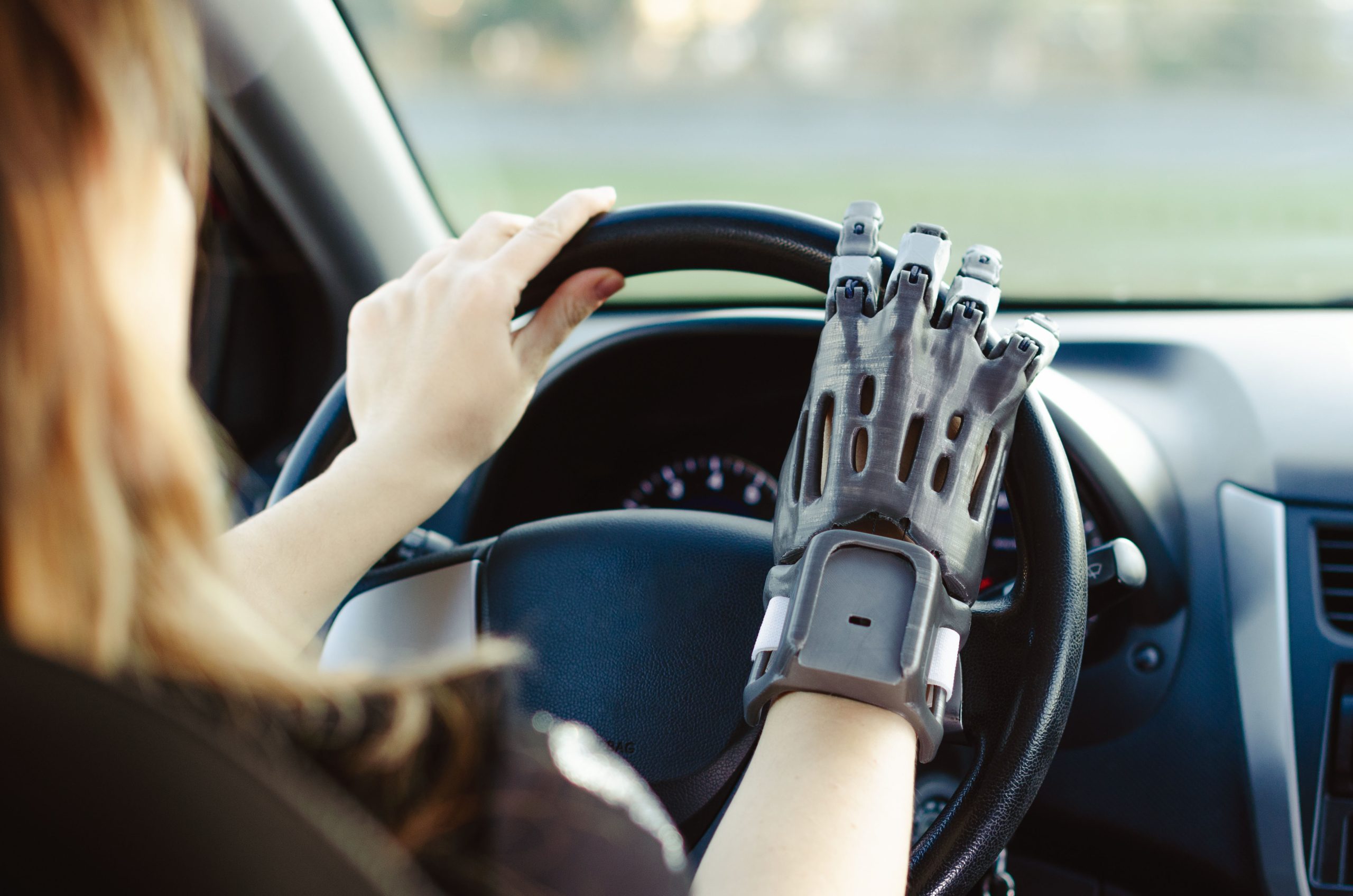
The importance of prosthetics for limb loss and limb differences
Limb differences are more common than one might think. There are 2,7 millions de personnes living with limb differences in the United States and that number is expected to double by 2050. A 2017 study by the Société internationale de prothèses et d'orthèses found there are approximately 57.7 million people worldwide living with limb amputation due to trauma. Traumatic causes (falls, transportation injuries, mechanical forces, etc.) make up only a percentage of all limb differences. Other causes are congenital disorders, a structural or functional anomaly that occurs during intrauterine life, or for surgical reasons, meaning a treatment route for infection or disease, tissue destruction, vascular disease, etc.
Due to the intricacy of limb differences, there is no “one-size fits all” solution. Limb differences affect people both physically and mentally, which is why prostheses are so important to a patient’s full recovery. Sadly, 36% de personnes souffrant d'une perte de membres struggle with depression. Experiences can differ greatly between those with limb loss and those born with limb differences. However, the constant is that a prosthesis can allow patients to gain or regain mobility and use of their limbs, granting them freedom, independence, and empowerment.
Due to the rising costs of healthcare, it can be extremely difficult to afford treatment and prostheses, let alone afford the routine upgrades and replacements necessary throughout a patient’s lifetime. Healthcare costs put immense pressure on a person’s fiscal situation, with plus de 100 millions d'Américains affected by medical debt. Medical debt is twice as common for people under the age of 30 as it is for people 65 and older.
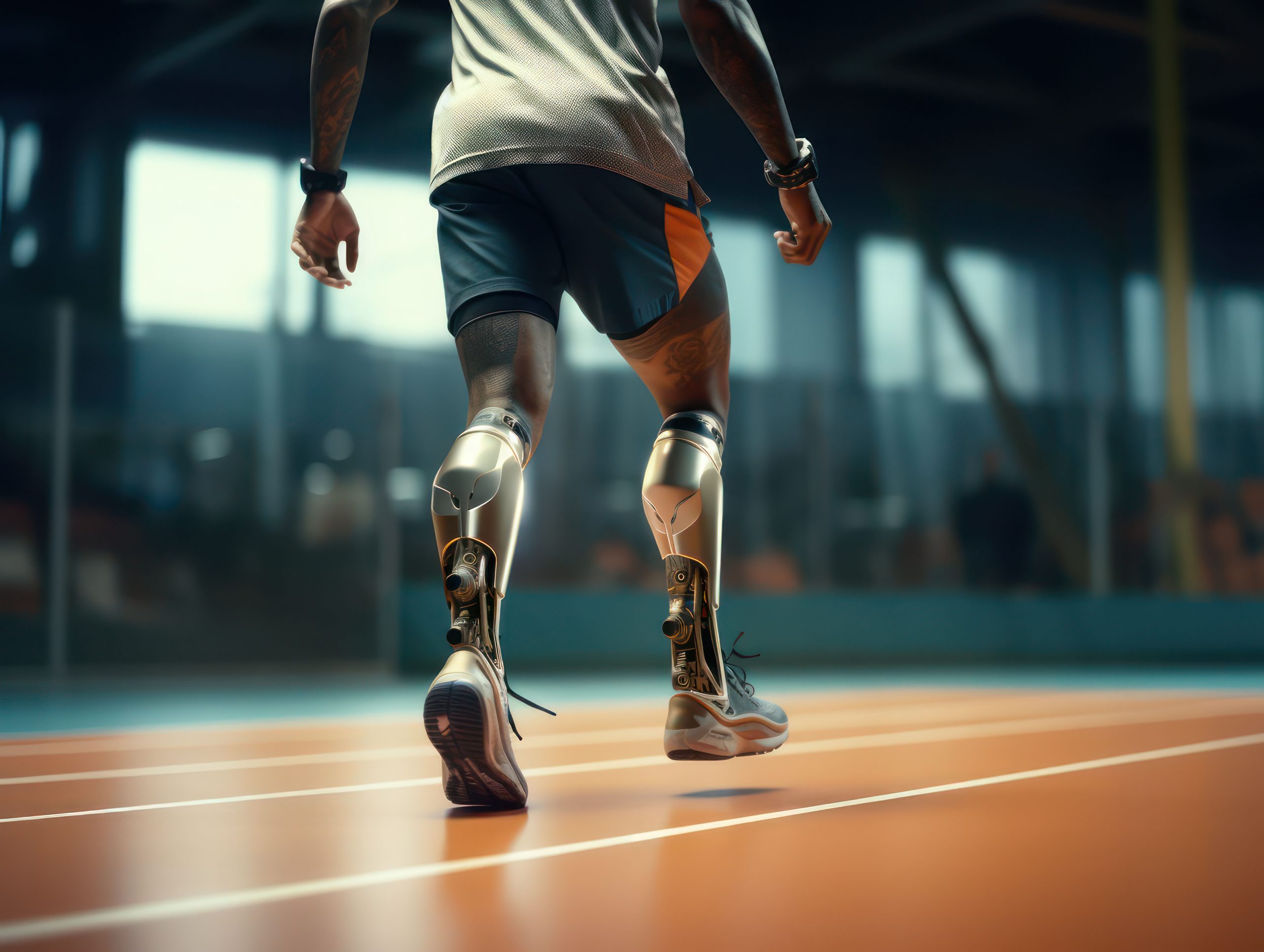
The three-dimensional printing of prosthetics offers people with limb differences an accessible and affordable way to meet their needs. In areas with higher populations of people with limb differences, 3D printed prosthetics are a more affordable option. Their light weight makes them easier to transport to remote areas where medical attention is less accessible.
Three-dimensional prosthetic printing is fully customizable, unlike traditional prosthetics manufacturing. With 3D printing, patients can select different designs, forms, sizes, and colors, allowing each socket to fit their personal needs. 3D printed prosthetics are incredibly functional as they weigh less, are easier to transport, more breathable, and provide more flexibility while in use. Changes to the size and shape of residual limbs are common and can change due to age, weather, and activity. Prosthetics designed around a residual limb can lose their fit over time and can shift uncomfortably over scar tissue, causing discomfort and potentially causing skin conditions.
The scalability of 3D printed prosthetics is vital. As a patient ages and changes occur to residual limbs, they will need to upgrade or update their prostheses. With 3D printed prosthetics, it’s easy to reprint them to grow with patients. Medical providers can 3D scan their patients’ residual limbs and easily produce a newly fitted and printed socket. 3D printed prosthetics generate minimal scrap material and require less energy to manufacture than machining and milling.
Why prosthetics from ABCorp 3D?
Chez ABCorp, nos prothèses imprimées en 3D ont été utilisées pour des pièces et des accessoires robotiques, des prothèses animales et des prothèses humaines. Nos prothèses sont composées de Nylon PA11, BASF Ultrasint01 TPU, et Nylon PA12.
Nylon PA11
Le nylon PA11 est un poudre de polyamide bioplastique. It is 100% biocompatible and plant-based, made from renewable resources consisting of vegetable and castor oil. PA11 is chemical resistant to hydrocarbons, ketones, alcohols, oils, fats, and other mineral bases and salts. It is impact resistant, deflects high heat, and is more forgiving than other materials, making it ideal for manufacturing prostheses.
BASF Ultrasint01 TPU
BASF Ultrasint01 TPU has an 80% recycling rate and is often used for sports protection equipment and footwear. It absorbs shock, is flexible, and resists fatigue, making it ideal for prosthetics.
Nylon PA12
Nylon PA12 is similar to Nylon PA11. It’s chemical resistant to oils, fuels, hydraulic fluids, salts, and water, and is high abrasion and crack resistant. Nylon PA12 is an ideal material for prostheses because it can withstand extreme temperature changes, including below-freezing temperatures.
Conclusion
Combining our technical expertise and a diverse library of materials allows ABCorp 3D to deliver life-changing, affordable, and accessible prostheses to patients worldwide. For a real life case study, read how we a récemment conclu un partenariat avec le fabricant de prothèses robotiques Unlimited Tomorrow pour créer des composants prothétiques imprimés en 3D afin de remplir leur mission, qui est de fournir aux patients les outils nécessaires pour répondre à leurs besoins biochimiques.